Not long ago, a friend who works in B2B business complained to me: They recently launched a new product, and its start was a textbook case—a company saw that their solution for internal data management was excellent, proactively approached them, and hoped to have a set of their own. So they extracted this solution, turned it into a standardized product, and quickly sold several sets. But the good times did not last; sales soon ground to a halt. The market seemed to end there, strangely cold.
He was puzzled: I have always been addressing users' pain points, so why did the product still fail?
The Illusion of Catering
Such stories are not uncommon. Many companies—from management to product managers—hold a belief: as long as we serve users well, we won't have to worry about the market.
This sounds perfectly in line with the idea of “user-centricity,” but reality keeps slapping us in the face. Many such products rise fast and fail fast—one moment they are building high towers and hosting banquets, and the next the building collapses and the ground gives way.
The problem is: users' current needs do not equal the market's long-term opportunities. User feedback is often the “pain in front of them,” not the “direction of the future.” A certain customer's need may be only an isolated case and lack scalability. Over-catering weakens the product's independence and quickly puts you at a disadvantage in homogenized competition.
You can use “customized projects” as a source of short-term revenue, but it is hard for them to accumulate into a repeatable, sustainable product. Once the immediate customer's pain points are solved and demand cools, growth will immediately hit the brakes.
Why do people still cater to users?
Everyone understands the limits of catering, but in reality, companies start product development from different places.
Some companies pursue immediate survival, while others bet on the future landscape—the two differ enormously in resources, pace, and patience.
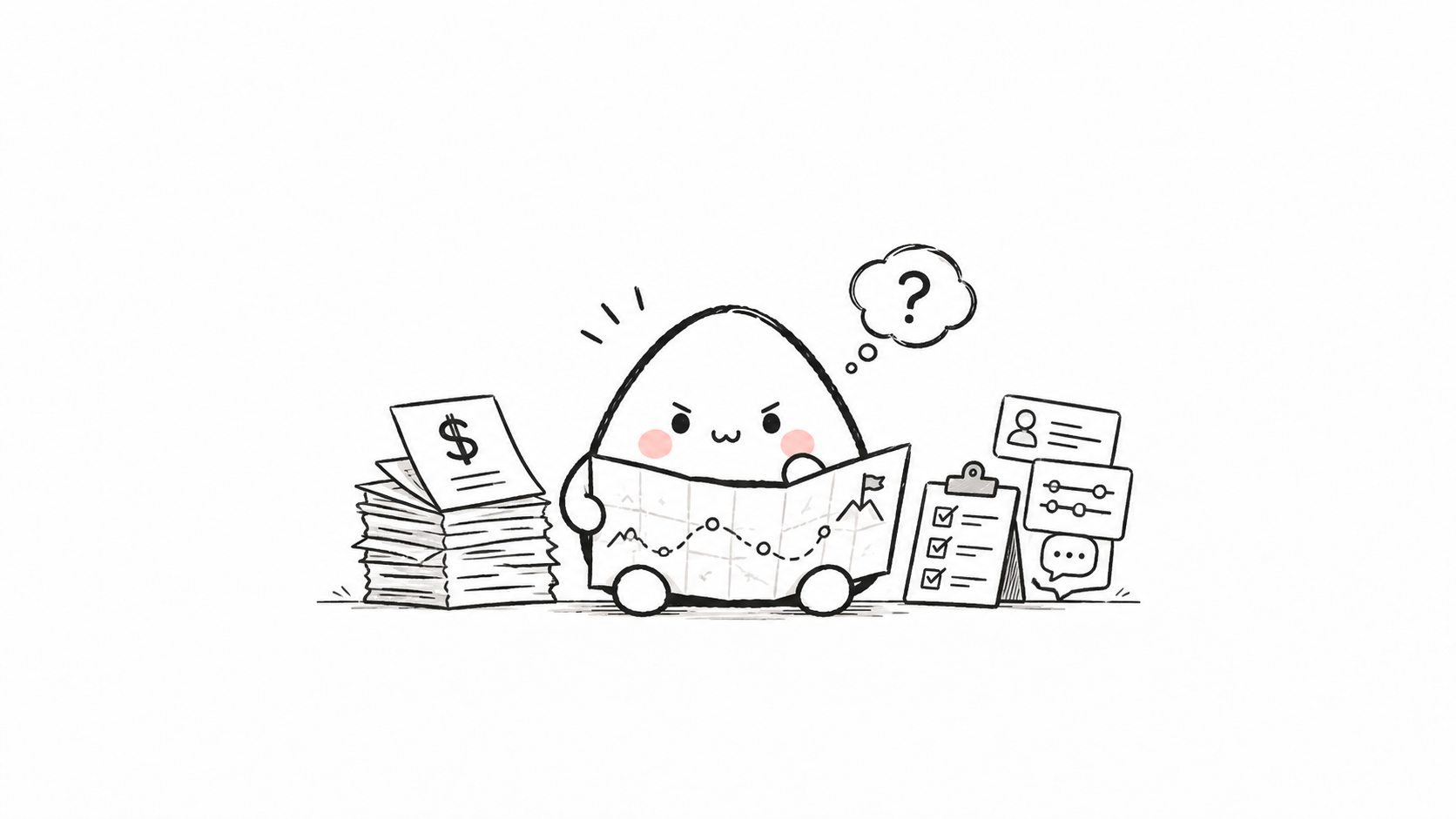
For many teams, especially those with tight cash flow and an unstable market position, survival is the first goal. When your cash flow can only sustain you for a few months, spending a year validating a trend is like gambling; by contrast, grasping the immediate needs of customers and cashing in orders right away is obviously more realistic. As a result, product planning is easily led by one requirements list after another—whatever features customers ask for, you build those first.
For companies with more ample capital and a stronger brand, short-term performance fluctuations do not immediately threaten survival. They can go for a period without rushing to recoup their investment and put resources into judging trends and building underlying capabilities. Even if the early market response is mediocre, they have the patience to wait until the time is right.
This difference in circumstances makes the former more likely to fall into “wherever there is an order, run there,” while the latter is more likely to stick to the path of “first deliver value and methodology, then wait for the market to catch up.”
Catering is not wrong; it is even the starting point for many products. But if you remain stuck in catering, your rhythm will always be controlled by others, and it will be hard for your product to leave its own place in the market.
From Catering to Leading
Catering solves “known problems,” while the real opportunities in the market are often hidden in “problems users have not yet realized.”
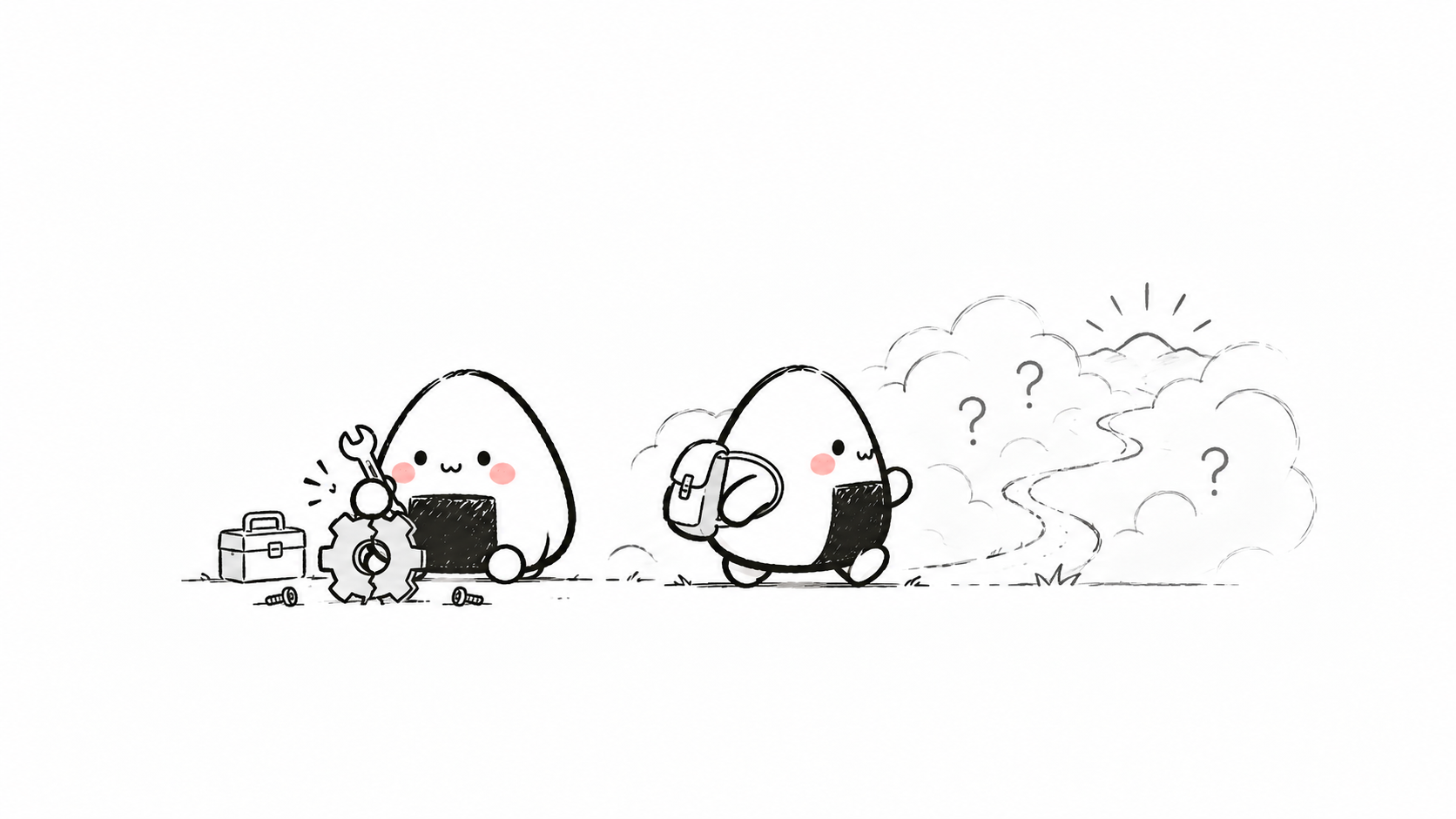
When your product merely satisfies existing needs, the gap between you and other competitors is easily erased; but when you can propose a solution users have never thought of, you gain true differentiation and pricing power.
At this point, the product needs to carry its own sense of direction—that is, what I call a bit of “dad energy.”
Products Need a Bit of “Dad Energy”
This “dad energy” is not arrogant condescension, but a deep understanding of industry trends, technological evolution, and business models that brings users solutions beyond their imagination. Its value lies in this: when users do not know what they need, you can give them a better answer than they envisioned.
Many successful products have proven this. In their early days, they did not accept all users' ideas wholesale; instead, they combined trends and insights to make their own judgments. Even if they were not understood at first, they ultimately got users to become accustomed to and dependent on them.
When Slack appeared, companies already had email and IM tools, but it judged that information would become further fragmented, so it insisted on reconstructing team collaboration through channels and integrations. At first, many people found it troublesome, but after using it for a while, they couldn't do without it.
In its early days, Feishu was questioned for having “too many features,” but it bet that organizational collaboration would move toward platform-based integration, blending video conferencing, documents, workflows, and open APIs into one. Today, it has secured a place.
When Tesla first launched pure electric vehicles, consumers cared most about “range” and “charging,” while Musk judged that energy and transportation would be electrified in the long term. He insisted on building a charging network and a whole-vehicle ecosystem, ultimately reshaping the way people travel.
These examples seem scattered, but they share one thing: before the market was ready, they put the answer there first. By the time users realized they needed it, there was not much choice left.
Sustainable Profitability Is the Ultimate Test
Recently I read the book Small and Beautiful, and one sentence left a deep impression on me: what really matters is not becoming big, but continuing to be profitable.
Catering to users may help you get your first order, but without your own direction and methodology, once user needs change, your product will lose value. The essence of sustained profitability is continuously creating value—not only satisfying known needs but also constantly leading new needs.
This is also the true meaning of “dad energy”: to make your product not only live in today's market but also steadily travel through time.
Conclusion
Satisfying users is a basic skill, but if a company becomes a “customization factory,” it will be trapped under the ceiling of individual cases. A product with vitality should, while listening to users, dare to say “no” to them, and shape the market with its own position and judgment—even if it looks a bit “dad energy” in the early days.
Because true innovation has never been about following users, but walking ahead of them; and true success is not temporary sales, but long-term profitability.
40 likes
You can like once today