There is a very common judgment now: making something a little uglier, a little rougher, a little more AI-flavored seems not to matter. As long as it can be sold, it means users don't care about these things.
This judgment is half right. In the rapid validation stage, being a little uglier or rougher is indeed not a big problem. The most important thing for an early product is to first prove that demand exists, prove that someone is willing to pay for this problem, and prove that this direction is not just the founder's self-indulgence. At this stage, if you spend a lot of time on visuals, motion, and brand packaging from the start, you may actually be avoiding the real problem.
But this logic only applies to the validation stage. Once you have proven that this track can support a viable business, the situation changes. You are no longer answering “does anyone need this?” but “why should users choose you?” At this point, continuing to hold yourself to the rough standards of the validation period becomes a danger signal.
Validation can be rough; after commercialization, it cannot stay rough forever
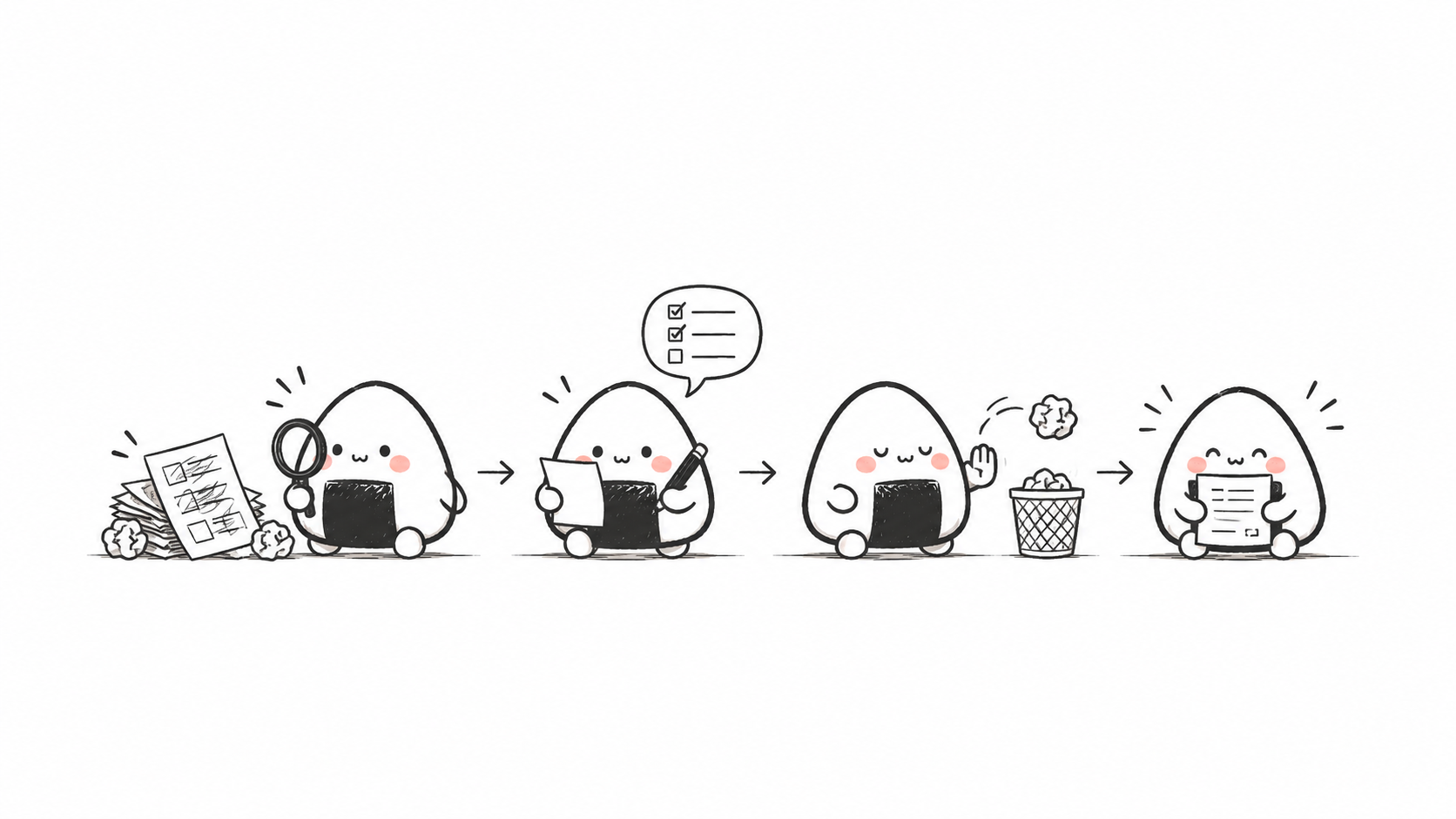
If a product can still sell in a very rough state, it usually means it has hit a real need or captured a short-lived dividend. Users have no choice yet, the market is not mature yet, information asymmetry still exists, and the need is urgent enough, so it can run first.
This is not a bad thing. Many good products are not refined at the beginning, and are even very crude. What matters most early on is speed: putting things in front of real users and finding out as quickly as possible whether this thing has value at all.
But roughness itself is not an advantage. At most, it shows that you started early or that the problem you captured is painful enough. Once this track has been proven to make money, more people will definitely enter, supply will quickly increase, and users will start comparing. At that point, price, features, response speed, experience, and brand trust all enter the same battlefield.
So the real dividing line is not “did it sell?” but “after it sold, did you continue to make the product solid?” If your product only sells because “everyone hasn't reacted yet,” then it is benefiting from a dividend. If, after the dividend disappears, you still haven't built stronger product strength, it will become very fragile.
In a red ocean, experience itself is differentiation
There is another situation that is even more obvious: your product itself is not a brand-new category, but proposes a different philosophy in a market that is already mature or even already a red ocean.
In this case, experience is not icing on the cake; it is part of the product's core.

The relationship between Linear and Jira is a good example. It did not come into being because no one had done the “project management” need before, nor because Jira lacks features. On the contrary, Jira is strong and complete. But Linear made speed, interface, interaction, collaboration flow, and product character into its own statement. What it sells is not a completely unseen new need, but a smoother, lighter, more modern way of working.
In this kind of market, if you say “it can sell even if it's uglier,” it actually doesn't hold up. Because what users want is precisely a differentiated experience. If your philosophy is that it is easier to use, smoother, more efficient, and more in line with how modern teams work, then your interface, copy, motion, feedback, and marketing are all proving this.
You cannot claim to represent a better product philosophy while appearing rough at every touchpoint.
Marketing is also part of the product
Many people underestimate the impact of marketing on product judgment.

When users see your website, posters, demo videos, illustrations, or voiceovers, they are not evaluating a single piece of content in isolation. They understand these things as part of the product's capabilities. Especially for a new product that has not yet built trust, marketing is often the user's first contact with your product.
If all this content consists of images that are obviously AI, cheap-looking generated videos, and voiceovers with a strong machine feel, users will easily form a judgment: you are not even willing to introduce your own product seriously, and you cannot handle even the most basic expression and texture—so what good things can you actually make?
This does not mean every image must be expensive and every video must be finely edited. The real issue is not whether AI was used, but whether human judgment was applied. AI can participate in production, but it cannot dump unfiltered, unedited, aesthetically unjudged output directly on users.
People no longer find something novel just because “it was generated by AI.” On the contrary, many users can quickly identify AI content that has not been carefully handled: image details are wrong, video pacing drifts, voiceovers lack emotion, and copy looks pieced together from templates. These things make a product seem lazy and untrustworthy.
Premium quality is not about expense; it is about care
When I say premium quality matters more, I do not mean every product must be expensive, flashy, and complete from the start. Premium quality is not endless polishing, still less using design perfectionism to slow down validation.
Premium quality is closer to an attitude: clear, trustworthy, smooth, and with trade-offs. It knows which places can be rough first and which cannot be fudged; which content is only for internal validation and which is already speaking for the product externally; which AI output can be used and which must be deleted or redone.
Early products can be crude because you are still validating. Once the commercial path has been proven, the product cannot remain at “good enough to use.” You can move fast, but you should not be perfunctory. You can use AI to improve efficiency, but you cannot use AI slop to replace judgment.
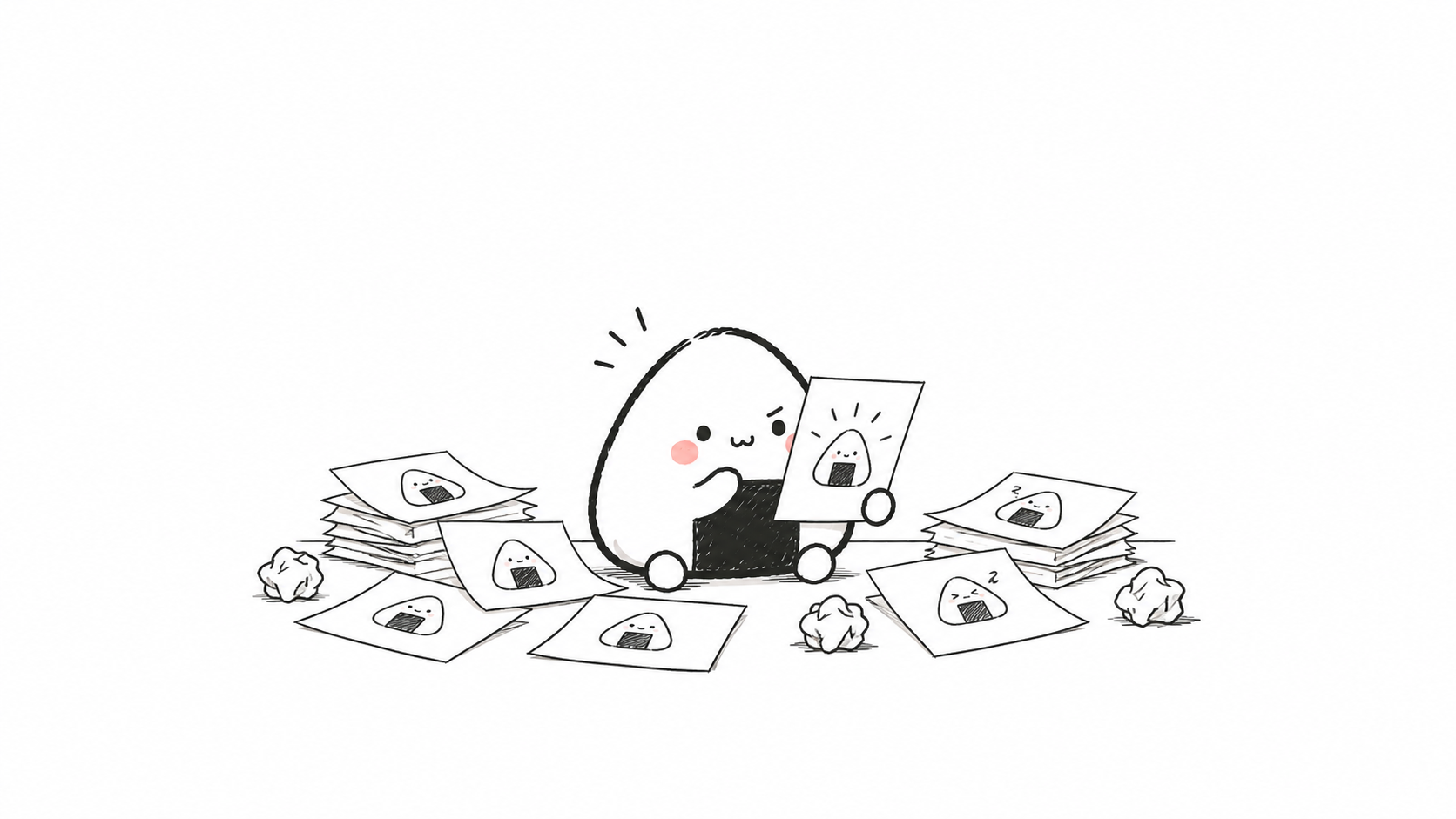
In the age of AI slop, content will become cheaper and cheaper, and noise will become more and more abundant. What is truly scarce is human taste, judgment, restraint, and completeness. When everyone can generate a bunch of things that look more or less the same, what earns user trust is often not “you can generate too,” but “you know what is worth keeping.”
So in the rapid validation stage, it can be a little ugly; that is fine. But once you have proven that this track can work commercially, start entering competition, start building a brand externally, and start trying to persuade users to believe that you represent a better product philosophy, premium quality is no longer decoration. It becomes one of the reasons the product can survive.
79 likes
You can like once today